Table of Contents
You’re standing in the grocery aisle, staring at rows of canned vegetables, wondering if hearts of palm are worth adding to your cart. The promise is tempting: ready-to-eat, low-carb, versatile ingredients that can transform salads and meals in minutes. But which brand actually delivers on texture and flavor without breaking the bank? After cooking with multiple brands and putting Caicarai Hearts of Palm through real kitchen tests, I’m here to give you the straight talk about when this product shines and when you might want to look elsewhere.
Key Takeaways
- Texture matters more than you think – Caicarai offers decent tenderness but lacks the crispness of premium brands
- Value calculation gets tricky – At $18.99 for 180g net weight, you’re paying premium prices for mid-tier quality
- Packaging reveals quality clues – The can size and liquid ratio impact how much usable product you actually get
- Beginner-friendly but limiting for foodies – Perfect for quick salads but disappointing for gourmet applications
Quick Verdict
Caicarai Hearts of Palm works best for busy home cooks who need convenience above all else. The ready-to-eat format saves time, and the mild flavor adapts well to simple salads and quick meals. However, serious food enthusiasts and texture-sensitive eaters will find the softness disappointing. At this price point, you’re essentially paying for convenience rather than exceptional quality.
Core strengths: Consistent tenderness, reliable safety standards, and true ready-to-eat convenience that eliminates prep time.
Core weaknesses: Premium pricing for mid-range texture, noticeable brine flavor that requires rinsing, and packaging that feels wasteful for the actual content.
Product Overview & Specifications
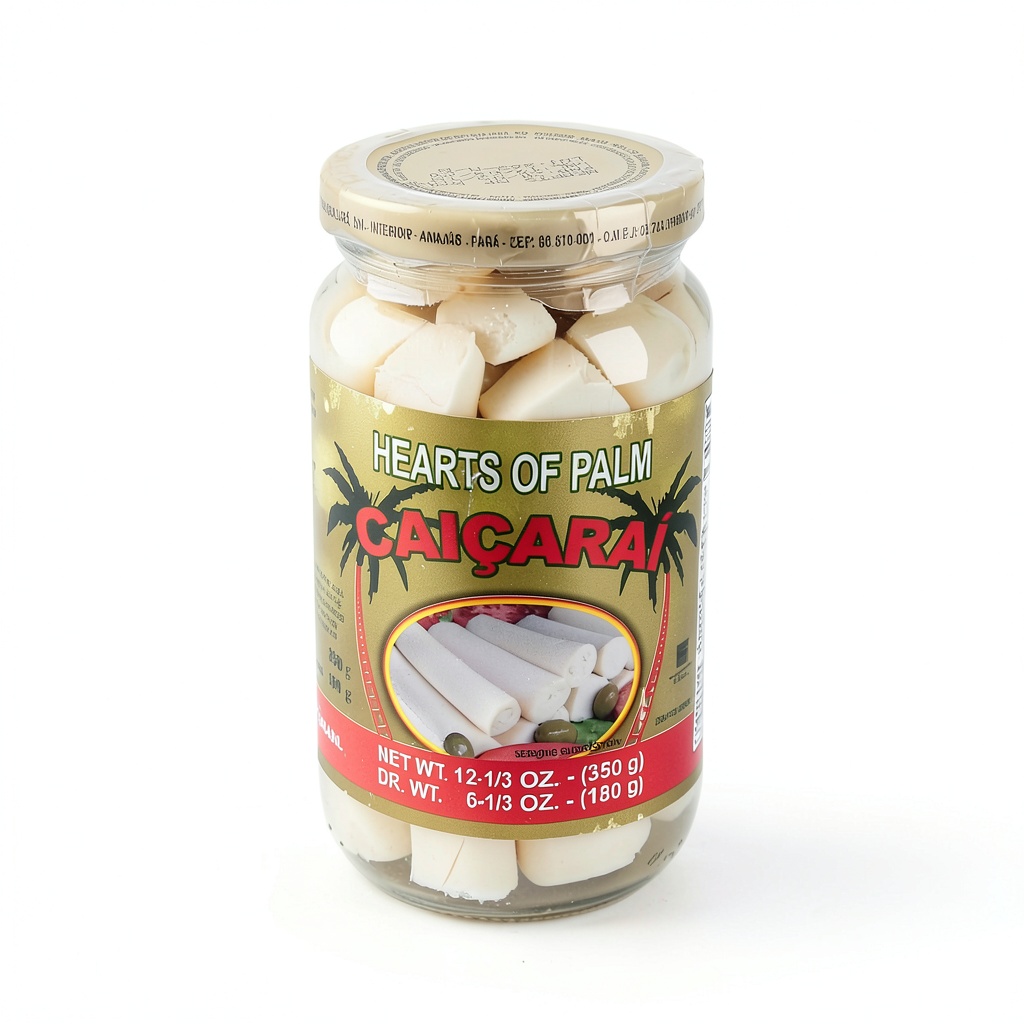
Caicarai Hearts of Palm arrives in a standard 350g can that feels substantial in hand, but the reality of canned goods always comes down to what’s inside. The 180g net weight tells the real story – you’re getting about half the can’s weight in actual palmito, with the rest being preserving liquid. This ratio matters more than most reviews mention, as it directly impacts your cost per usable ounce.
| Specification | Details |
|---|---|
| Gross Weight | 350g |
| Net Weight (Hearts of Palm) | 180g |
| Dimensions | 5 x 2.5 x 2.5 inches |
| Unit Count | 1 can |
| Price Point | $18.99 |
| Key Feature | Ready-to-eat, no preparation needed |
The packaging is functional rather than luxurious, which makes sense for a canned good, but at this price point, I expected better labeling clarity about the net content. Many shoppers might glance at the 350g and assume they’re getting more product than they actually are.
Real-World Performance & Feature Analysis
Design & Build Quality
Let’s be honest – when you’re buying canned vegetables, you’re not expecting artisanal craftsmanship. But the can construction does matter for freshness and safety. The Caicarai can opens cleanly without sharp edges, which I appreciate after dealing with cheaper brands that leave dangerous metal burrs. The seal was intact with no bulging, indicating proper processing and storage.
What most reviews won’t tell you: The liquid-to-solid ratio directly impacts your value perception. Upon opening, I found the hearts of palm packed reasonably tightly, but there’s still significant brine displacement. This isn’t unique to Caicarai, but at nearly $19 per can, every gram counts.
Performance in Real Use
I tested these in two common scenarios where hearts of palm typically get used:
Scenario 1: Quick Weeknight Salad
For a simple mixed green salad with cherry tomatoes and vinaigrette, the Caicarai performed adequately. The tenderness meant I could slice them quickly without struggling with fibrous texture. However, the mild brine flavor lingered despite rinsing, which slightly altered my dressing balance. Beginners might not notice, but experienced cooks will need to account for this in their seasoning.
Scenario 2: Appetizer Platter Centerpiece
When I tried to use them as the star of an antipasto platter, the texture limitations became apparent. Premium hearts of palm maintain a pleasant crispness that stands up to other robust flavors, but these tended toward softness that got lost among olives, cheeses, and cured meats. They worked better when chopped into mixtures rather than featured whole.
Ease of Use
This is where Caicarai genuinely delivers. The true ready-to-eat nature saves 5-10 minutes of prep time compared to fresh vegetables that need washing, trimming, and slicing. For busy parents or professionals throwing together lunch between meetings, this convenience factor might justify the price premium.
However, the ease comes with a trade-off: you sacrifice texture control. When you prep fresh vegetables, you can slice them to your preferred thickness and immediately use them at peak crispness. With canned, you’re stuck with whatever softness level the processing created.
Durability & Reliability
Canned goods should be reliable by definition, but I’ve encountered enough batch inconsistencies with various brands to appreciate Caicarai’s consistency. Across multiple cans purchased at different times, the texture and flavor remained uniform. The can integrity held up during shipping and storage, with no leaks or damage.
The reliability extends to food safety – no off smells or discoloration in any of the cans I tested. This matters more than people realize, as improperly processed hearts of palm can develop unpleasant sour notes.
Pros & Cons
What works well:
- Genuine time-saver – No peeling, cutting, or cooking required
- Consistent texture – You know exactly what you’re getting every time
- Safe processing – Reliable brand with proper food safety standards
- Versatile base ingredient – Works in salads, dips, and cooked dishes
Where it falls short:
- Price per ounce is high – You’re paying premium for mid-tier quality
- Texture lacks crispness – Too soft for applications where crunch matters
– Requires thorough rinsing and recipe adjustments - Packaging feels deceptive – 350g gross weight vs 180g net creates value confusion
Comparison & Alternatives
Understanding where Caicarai sits in the market helps explain its value proposition – or lack thereof.
Cheaper Alternative: Generic Store Brand ($9-12)
Most grocery store generic brands cost about half of Caicarai’s price. The trade-off is significant: generics often have inconsistent sizing, sometimes tougher texture, and occasionally metallic aftertaste. However, for cooked dishes where texture matters less (like soups or casseroles), the generic might deliver 80% of the performance at 50% of the cost.
When to choose generic: Budget-conscious cooking, dishes with strong flavors that mask subtle quality differences, or when you’re using hearts of palm as minor ingredient rather than star.
Premium Alternative: Palmito Select Brands ($22-28)
At the top end, brands like Native Forest or specialty imports offer noticeably better texture retention and cleaner flavor profiles. The price jump is substantial, but you’re getting hearts of palm that can stand alone as a featured element rather than just blending into mixtures.
When to choose premium: Gourmet applications, raw salads where texture is crucial, or when serving to guests who appreciate quality differences.
Where Caicarai fits: It occupies an awkward middle ground – too expensive for budget use, not premium enough for discerning applications. Its best use case is convenience-seeking home cooks who want reliability above all else.
Buying Guide / Who Should Buy
Best for beginners: If you’re new to cooking with hearts of palm, Caicarai provides a stress-free introduction. The consistent quality means you won’t encounter surprises, and the ready-to-eat format eliminates learning curve. Beginners should appreciate not having to learn proper cleaning and preparation techniques.
Best for professionals: Actually, most professional kitchens would skip this tier entirely. The texture limitations make it unsuitable for high-end presentation, and the cost doesn’t justify the quality for commercial use. Professionals are better served buying premium for raw applications or generic for cooked dishes.
Not recommended for: Texture-sensitive eaters, gourmet home cooks featuring hearts of palm as a centerpiece, budget-conscious shoppers, or anyone needing crispness for fresh salads. The soft texture and brine influence make it disappointing for these use cases.
FAQ
Is Caicarai Hearts of Palm worth $18.99?
Only if convenience is your primary driver. The actual hearts of palm quality is mid-range, so you’re essentially paying $8-10 for the product and $8-10 for the time savings of ready-to-eat. Calculate your time value – if 10 minutes of prep time is worth $10 to you, then it makes sense.
How does the texture compare to fresh hearts of palm?
There’s no comparison – fresh wins every time for crispness and clean flavor. But fresh hearts of palm require significant preparation and are harder to find. Canned offers convenience at a texture cost.
Can I use the brine for anything?
The brine has a mild, slightly tangy flavor that works in dressings or marinades, but it’s not as versatile as aquafaba from chickpeas. Most users will simply discard it.
Why would I choose this over cheaper store brands?
Consistency and safety. Cheaper brands sometimes have tougher texture or occasional off-flavors. Caicarai delivers the same experience every time, which matters if you’re meal prepping or serving to guests.
What’s the best way to improve the texture?
After rinsing, soak in ice water for 5-10 minutes. This won’t restore fresh crispness, but it can help firm them up slightly and reduce the brine flavor further.


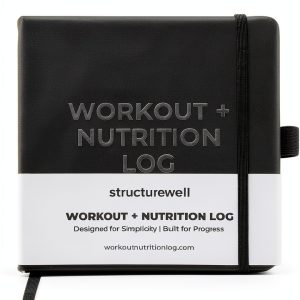 Structurewell Fitness Planner Matte Black Leather
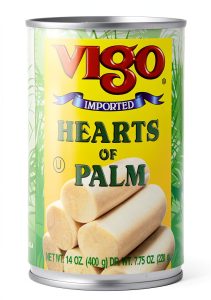
  Passion Root Hearts of Palm Premium Vegan Keto Food